
City takes opportunity to enhance evacuation plan
Now that Edmonton city council has approved changes to the municipal emergency plan, administration is working on improving the city's processes should it ever be necessary to evacuate.
"We have had a plan, but we are going to take the opportunity in 2026 to... look back through it and enhance it," said Kristi Baron, manager of corporate communications at the City of Edmonton.
While worst-case scenarios are part of such planning, it's more likely that Edmonton would evacuate residents from one part of the city to another if disaster struck.
"(An evacuation plan) sounds like, 'Oh my gosh, we're going to pick up the whole city and move it,' but the truth is, in real life, there are very few things that would affect the whole city and cause the whole city to be evacuated," Baron said, noting that the north side could take in people evacuated from the south side, for example. "We have, as a large municipality, the ability to do that."
The municipal emergency plan that council approved in December includes the evacuation route options for every neighbourhood in the city, sorted by districts as designated in the City Plan. Unless otherwise stated, the evacuation muster point for displaced people is at the Rapid Emergency Support Terminal at 10908 120 Avenue NW.
City council approved changes to the municipal emergency plan to align with Bill 49, which, among other things, amended the Emergency Management Act to incorporate lessons learned from past wildfires and floods as recommended by the Public Health Emergencies Governance Review Panel. (The panel was struck to review the legislation that guided Alberta's response to COVID-19, but its recommendations on how to improve the handling of future public health emergencies also touched on wildfires and floods.)
City council increased the budget for the Office of Emergency Management by about $927,000 during the fall operating budget adjustment in December 2025, because the updated plan and its supporting legislative framework required six more frontline employees to sustain its core operations and comply with the new legislative responsibilities, a city report said.
The changes passed in December are also expected to make it easier for Edmonton to be reimbursed for sheltering evacuees from other municipalities, Baron said. In 2023, Edmonton spent $16.9 million to support 12,420 evacuees from Drayton Valley, Edson, and the Northwest Territories during three separate out-of-control wildfires. In 2024, the city spent $11.64 million to support 4,700 evacuees from Fort McMurray and Jasper. The province reimburses municipalities for these costs, and the new emergency plan is expected to make that easier, Baron said. The 2023 wildfire season was especially complex because it involved several different municipalities and Indigenous communities, and the city is only now fully recouping costs from 2023 and 2024.
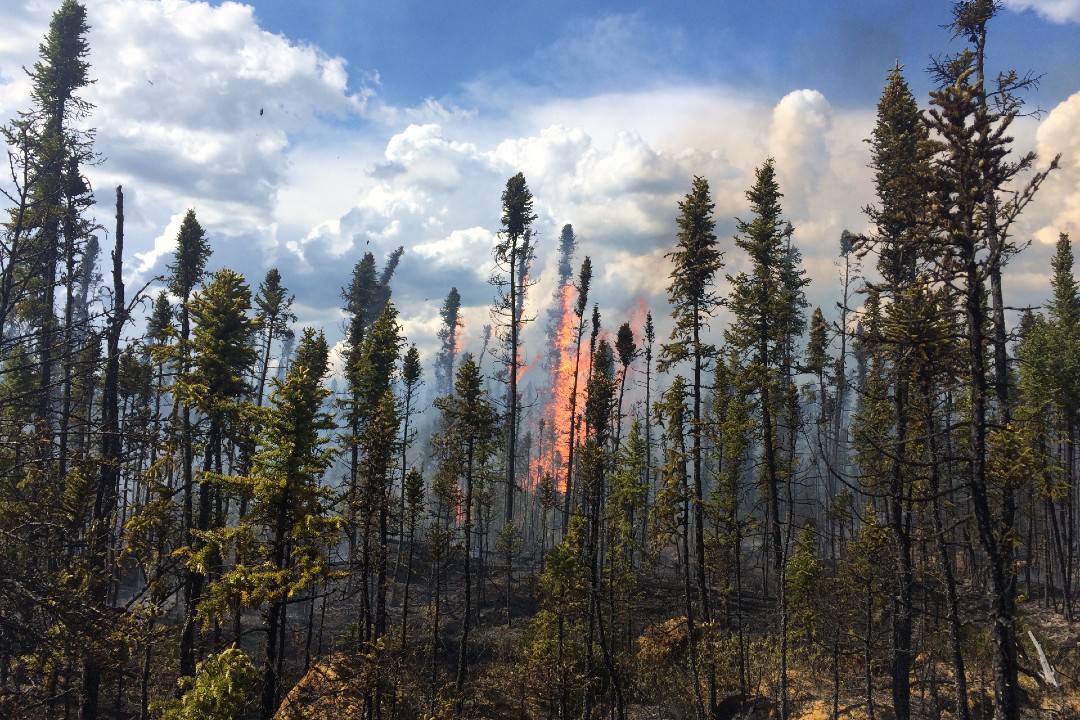
Edmonton took in about 17,000 evacuees during the 2023 and 2024 wildfire seasons. (Alberta Wildfire)
The new plan also aligns with amended provincewide standards for welcoming evacuees, ensuring that whether Red Deer accepts evacuees from Drayton Valley or Edmonton accepts evacuees from Edson, all will receive a standard level of care, Baron said. It doesn't change the City of Edmonton's desire to respond to requests for help, but clarifies what help it will provide, she added.
"We want to make sure as a city that we do have capacity and that our citizens are also taken care of, but we really want to be a good neighbour," Baron said. "And so we are inclined to provide help when we're asked, given that we have that to be able to give to others.
While the change is primarily to align with the provincial legislation, the increased likelihood and severity of climate-related disasters are also on the minds of senior emergency officials.
"The potential also for other hazards, other incidents, other big emergencies, is not lost on us, either," Baron said. "It really is about taking that opportunity to look at all those hazards comprehensively, and making sure we're covered."
Share