
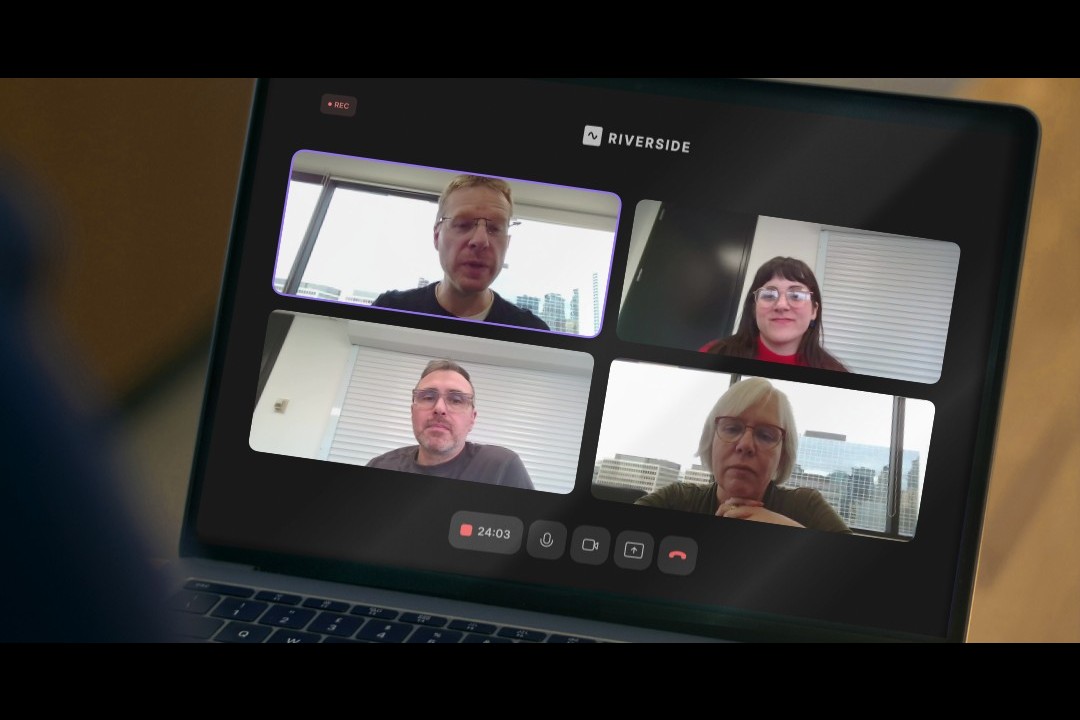
Taproot staff discussed their takeaways from the 2025 municipal election during a members-only livestream on Oct. 24. (Supplied)
Noted: Low turnout, slow count, mandate
By Colin Gallant
The low voter turnout, the long and challenging vote count, and whether the next council has a clear mandate were all discussed on the latest Taproot Exchange by Taproot co-founders Karen Unland and Mack Male, plus managing editor Tim Querengesser and curator/reporter Stephanie Swensrude. For more than a quick snapshot, consider becoming a member for access to future livestreams.
Low turnout
Voter turnout was low in the 2025 municipal election, at 30.41%, compared to 37.6% in 2021. Could the long lines be the cause? That's not likely the reason, Male said. Given the loud voices who wanted new faces on council and the number of incumbents reelected, do angry people just not vote? Doubtful, despite rampant media coverage, Querengesser said. No incumbent mayor to rally against or behind? Possibly, the group ventured. A lack of exciting options for mayor given the overlap in platforms? More likely, the panel agreed.
"(With turnout,) it's not going to be one thing, it's going to be a whole bunch of different factors," Unland said.
Swensrude touched on a conversation she had with someone who felt voting in the municipal election was meaningless, because local politics don't fix international challenges. She then recounted how a friend who skateboards called their councillor to fix a light, which left a skatepark unusable after sunset, and the problem was fixed in days. "You have so much power in your own city to make things better," she said. "If every single person in the city did that little bit to engage with their municipal politicians, think of how much of a better place Edmonton would be."
Slow vote count
One Taproot member wondered why Edmonton's election had such a "bungled count process." The panel agreed that the provincially-mandated change from tabulators to hand counts was a key factor. Querengesser said one source he spoke to said Edmonton Elections was "inventing something from scratch," which caused stress and confusion for counting staff. The panel noted Edmonton's lag compared to Calgary could be because Edmonton stopped the Oct. 20 count at 1am while Calgary kept going.
As for the so-called "lost" ballots that caused confusion in Ward sipiwiyiniwak, Edmonton Elections said it was an administrative, technical error. Still, Male lamented that the hand count may have had the opposite outcome to the one the Alberta government promised. "The troubling part about this for me is that the ostensible reason why we had to count ballots by hand is because of concern about integrity in elections and fraud," he said. "And here we end up, doing this process, and people (such as mayoral candidate Tim Cartmell) are calling into question the integrity of the election."
Mandate might be simple
A Taproot member asked about the next council's mandate, adding they think it's clear given incumbents who supported bike lanes and infill were reelected. The panel was hesitant to co-sign that observation, however.
Swensrude said the low turnout might indicate that the most engaged Edmontonians have made their desires clear. Looking at council's role more holistically, Unland and Querengesser agreed that any council's mandate is simply to listen — even if that listening goes unnoticed.
"I think all of the listening that they did (during the last council term) is kind of invisible," Unland said. "I think the actual benefit of incumbency is that you have spent years actually talking to people and hearing their problems, and sometimes sending them away happy and sometimes sending them away unhappy."
Male and Swensrude discussed further observations about the election on Episode 329 of Speaking Municipally. Listening and subscription options are all right here.
Share