
The Pulse
Sept. 9, 2026
Here's what you need to know about Edmonton today.
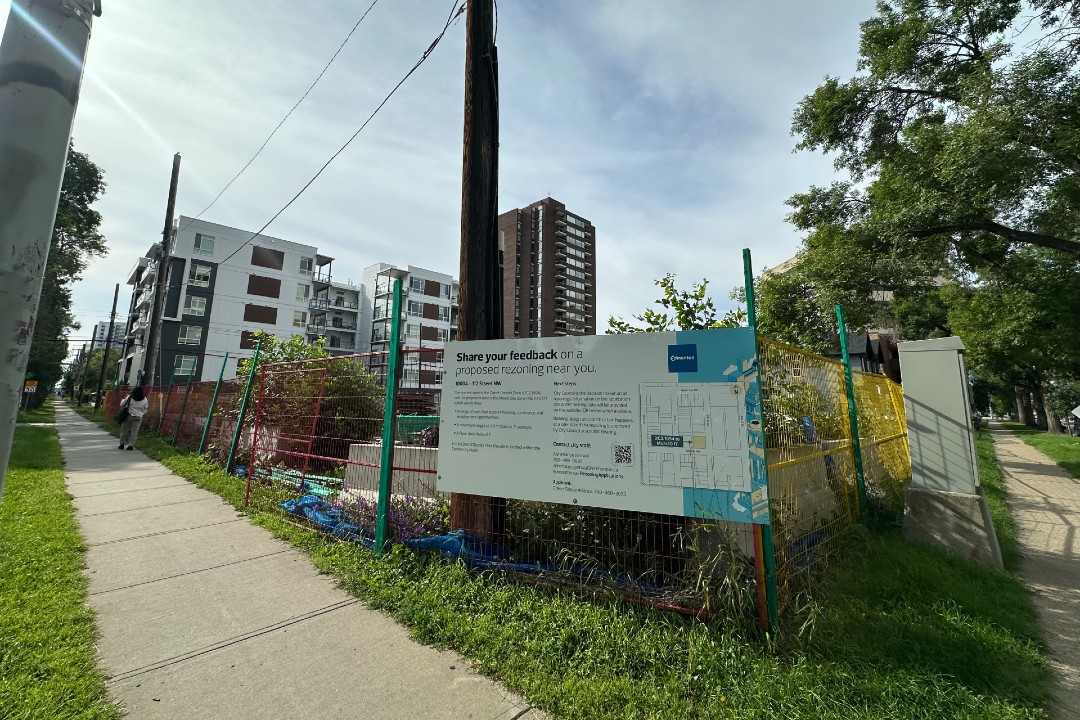
Honey, I shrunk downtown: Edmonton developers eye shorter buildings
Developers once envisioned an Edmonton skyline with many more towers, but that vision is disappearing, lot by lot.
Several developers have rezoned their central Edmonton properties from ambitious, hyper-specific direct control zones into standard zones that permit much shorter buildings.
"For a variety of reasons, a 33-story concrete high-rise simply does not meet what the market is asking for, and they're very expensive to build," Ian O'Donnell of Westrich Pacific said of the company's property at 10004 112 Street NW.
In July, city council approved two rezoning applications in Wîhkwêntôwin, including Westrich's 112 Street site, as well as one in Chinatown. All three applications changed the sites from direct control zones into standard zones that allow for shorter buildings. The same thing also happened last year with several lots near O-day'min Park — the Autograph Group now plans for a seven-storey development where it once planned two towers of 38 and 35 storeys, and the Massey Ferguson redevelopment has received a permit to construct four six-storey buildings instead of 18 storeys as was originally planned.
What is a direct control zone?
City documents describe a direct control zone as a useful and necessary tool that can enable unique development or respond to site-specific context that cannot otherwise be accommodated by the zoning bylaw. O'Donnell said many direct control zones were created in boom periods in 2007, 2009, and 2014, when developers used them in an effort to achieve the highest and best use of land.
"Our previous zoning (bylaw) didn't really contemplate taller towers, so you had to (use) direct control in some areas, especially areas outside of the core, and those direct control zones are very limited in terms of what you can do," O'Donnell told Taproot.
An example of a development that required a direct control zone is the Douglas Manor site in Strathcona. It was rezoned to a direct control zone in 2019 to accommodate the rehabilitation of the historic Douglas Manor, but also to allow for a six-storey residential addition to the south elevation of the building. That sort of situation doesn't neatly fit the land use usually seen under the zoning bylaw.
Another example of a development under a direct control zone is Windsor Terrace in the Windsor Park neighbourhood at 87 Avenue and 118 Street. The direct control zone was used to create an "active and inviting pedestrian-oriented streetscape" around the building, a design that didn't fit into the zoning bylaw at the time it was constructed. The direct control zone mandates that the development generally conform to the blueprints the developer originally submitted, down to the number of units and the percentage of which can be studio apartments, for example.
In exchange for the unique zoning permissions that a direct control zone offers, city administration wants to be sure that what council approves is going to be built, O'Donnell said. "They want to make sure that whatever they're providing over and above what a standard zone would be, that they're getting the confidence that they're going to get what they're approving, and there isn't a lot of leeway for developers to change anything."
While direct control zones can be useful in some contexts, they quickly become stale when development trends and economics change, O'Donnell said. When one developer sells a direct control property to another, the new owner inherits the zone — and associated blueprints — so when the new owner is ready to build, they often have to go through the rezoning process.

Plan your Life Sciences Week
The full calendar for Life Sciences Week is coming together, with events taking place in Edmonton and Calgary from Sept. 21 to 25. Explore the official kickoff, life sciences campus tours, the launch of the University of Alberta's Regenerative Medicine Hub, an industry innovation speed-networking lunch, and conversations about medtech, diabetes, health-system collaboration, investment, and more. Start building your schedule today.
Headlines: Sept. 9, 2026
- The City of Edmonton's public engagement campaign for the 2027-30 budget revealed residents' reluctance to raise taxes or cut services, with preferences for maintaining or improving services within the current budget. Participants prioritized road and pathway maintenance, particularly winter road maintenance, alongside funding for Edmonton Fire Rescue Services and the Edmonton Police Service. Most respondents favored reducing budgets for arts, culture, tourism, and inclusion, highlighting diverse community priorities.
- Edmonton city council approved a new tax subclass that allows higher taxes on derelict commercial properties, including stalled construction sites with abandoned pits. The measure follows the City's derelict residential property tax subclass, which was introduced in 2024. Councillors said abandoned commercial properties have contributed to safety concerns, including fires that have damaged neighbouring businesses. The City must complete additional work before the new bylaw can be enforced.
- Edmonton Fire Rescue Services is urging residents to take precautions with lithium-ion batteries after a townhouse fire in southeast Edmonton caused an estimated $470,000 in damage. The fire, reported early Sept. 8 near 46 Street and 21 Avenue, displaced 11 residents but caused no injuries and was later determined to have been caused by a battery malfunction. It was Edmonton's 20th lithium-ion battery fire this year, with related property damage exceeding $2.1 million. Fire officials advised residents to use approved chargers, keep batteries away from escape routes, and dispose of them safely.
- The City of Edmonton said 97 Street has reopened after crews installed the steel structure for the new Chinatown Gate. Overnight closures are expected to return around Sept. 15.
- Little DON'YA said it will close its downtown location this week after nearly two years in operation on Jasper Avenue. "While we really wanted a central location, the reality is Edmonton's downtown has changed, and as a responsible business, we recognize that we cannot compete with the ongoing construction, crime, and parking challenges in Edmonton's downtown area," the business said in a post online.
- NAIT has broken ground on an Advanced Skills Centre planned for 2030, a facility described as the polytechnic's largest project to expand trades and technology training capacity. The 625,000-square-foot facility will consolidate 29 programs in areas including construction, transportation, manufacturing and energy.
- Jonathan Coughlan, a former Edmonton Police Service (EPS) officer was appointed CEO of the Alberta Law Enforcement Response Teams, becoming the agency's sixth leader. Coughlan spent 27 years with EPS before serving three years as the Alberta government's executive director of law enforcement and oversight. ALERT has about 350 police officers and civilian staff focused on combating serious and organized crime across Alberta.
- A black bear was spotted wandering through Edmonton's Cumberland neighbourhood early Sept. 8, prompting a resident to alert police over safety concerns. Wildlife officials said there were several sightings between midnight and 1:30am, but no reports of aggressive behaviour, property damage or access to food attractants. University of Alberta ecologist Mark Boyce said bears are currently in hyperphagia, a period of intense feeding before winter, making them more likely to venture into urban areas in search of food.
- The Business Council of Alberta is urging voters to reject separation in the Oct. 19 referendum, warning that leaving Canada could create economic uncertainty and put jobs, businesses and household finances at risk. Council president Adam Legge said Albertans can push Ottawa for greater fairness without taking what he called a "risky gamble" on separation. The council cautioned that issues including borrowing costs, property values, employment and access to national transportation networks could be affected.
- To accommodate a surge in demand for Alberta's new driver's licences that include healthcare numbers and citizenship markers, registries will now accept expired passports for renewals if they expired within the past year. The move aims to simplify the renewal process after a 33% increase in July and a 23% increase in August highlighted public interest in the new licences.
Happenings: Sept. 9, 2026
Here are some events happening today in the Edmonton area.
- AI Technology: Is Patenting Really the Right Move? starting at 9am at Edmonton Unlimited
- Aerospace Accelerator Program Online Info Session starting at 12pm online
- Red Shoes Walk for FASD Awareness starting at 12:30pm at Churchill Square
- Southwest Edmonton Farmers' Market starting at 3:30pm at Booster Juice Recreation Centre in Terwillegar
- The Partnership Behind the Pitch starting at 4:30pm at Edmonton Unlimited
- Bioeconomy Guild Night starting at 5pm at MKT Fresh Food | Beer Market
- Seed Sovereignty - Seed Libraries with Chelsea Boos starting at 5:30pm at McCauley Community Orchard
- Tech Wednesdays starting at 5:30pm at The Pint Public House
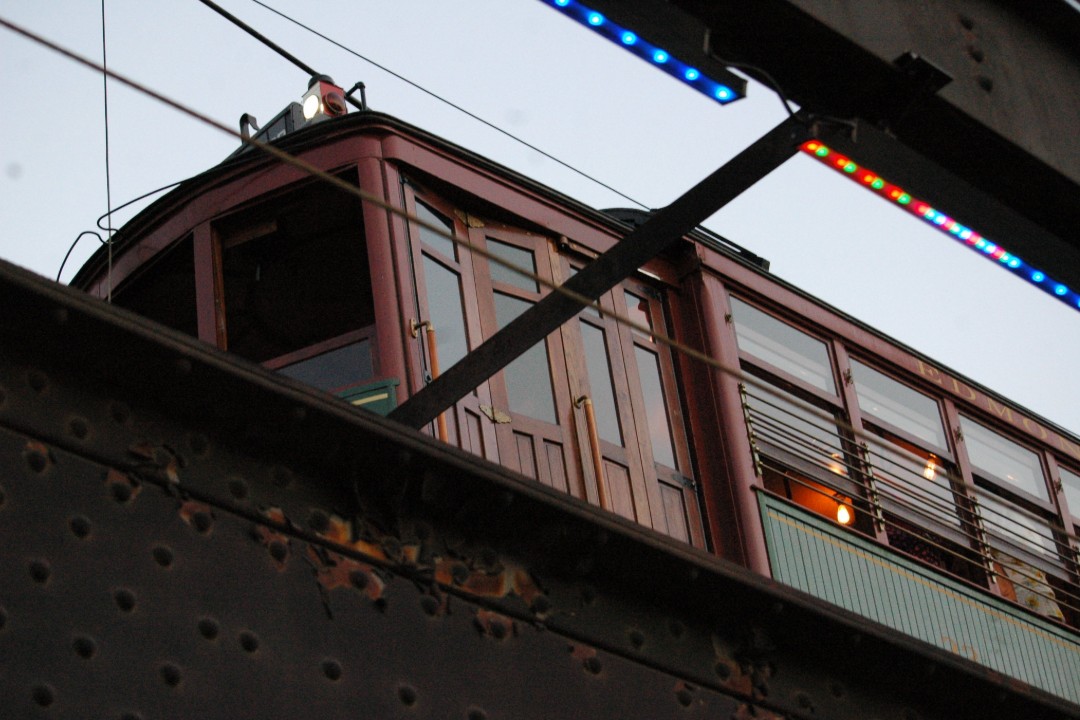
- Dolly's X Spilt Non-Alc Mocktail Railcar starting at 6pm at High Level Bridge Streetcar (Jasper Plaza Terminal)
And here are some upcoming events to keep in mind:
- Sept. 17: Voices of Affordability at ArtsHub Ortona
- Sept. 19: From My Closet to Theirs starting at 10am at Fringe Theatre Arts Barns
- Sept. 21: tahto awasis asitakimaw Every Child Matters Traditional Feast & Round Dance at Alberta Aviaton Museum
Visit the Taproot Edmonton Calendar for many more events in the Edmonton region.
From Sept. 21 to 25, Life Sciences Week brings together industry leaders, policymakers, researchers, innovators, and students for free, community-led events across Alberta. Help shape the future of Alberta's life sciences sector. Register today!


The Taproot Mini - No. 281
Test your crossword prowess and deploy a little of your Edmonton knowledge. Complete the puzzle.
Learn more about 1-Across in the latest Tech Roundup.
The Taproot Mini is brought to you by ATB, your homegrown source of good advice to help conquer life's tougher puzzles. Learn how.
