
The Pulse
Oct. 2, 2025

Here's what you need to know about Edmonton today.
Essentials
- 19°C: A mix of sun and cloud. Becoming sunny in the morning. Fog patches dissipating in the morning. High 19. UV index 3 or moderate. (forecast)
- White: The High Level Bridge will be lit white for the Edmonton International Film Festival. (details)
- 2-4: The Edmonton Oilers lost to the Seattle Kraken in a preseason game Oct. 1. (details)

As Alberta reviews BIA rules, smarter taxation is possible: McBryan
Alberta is reviewing its regulations for business improvement areas, and a leader of one of these organizations said it's an opportunity to shift from taxing business owners to taxing property owners, potentially growing the pot for Edmonton's 13 BIAs.
"Right now, they're running this entirely parallel, separate tax system to levy businesses instead of what every other province (aside from Manitoba) does, which is just collect (the levy) as a line item across all property," Puneeta McBryan, the outgoing CEO of the Edmonton Downtown Business Association, told Taproot. "So what happens is, if you are a landlord that's overseas or in Toronto and you don't have a physical office in downtown Edmonton, you are paying zero dollars into the BIA."
Taproot confirmed the province is considering shifting to a property-based system in advance of some regulations expiring at the end of 2026. A spokesperson for Dan Williams, the minister responsible for municipal affairs, told Taproot that engagement with stakeholders included in-person and written submissions and concluded in August. The spokesperson added results will be shared with stakeholders later this year.
Taproot also obtained a copy of an engagement survey, which includes questions about levies and notes that one option Alberta's government is considering is to allow municipalities to decide which of the two kinds of levies to use.
Business improvement areas, usually called BIAs, are municipal entities that receive funds from all businesses (with some exemptions) via a levy that's collected by a municipality in a set area. In exchange, BIAs use the money to build economic vibrancy through events, beautification, or improve cleanliness and safety. BIAs can also steer municipal policy through advocacy. During her time at the EDBA, McBryan has been part of the Downtown Revitalization Coalition and offered routine input at city council. While city bylaws (which were updated in September) govern most of Edmonton's BIA activity, provincial policy outranks those bylaws for the levy model.
McBryan said the current levy system measures the wrong things to determine the levy. "(The city is) trying to levy businesses based on the (property) value of their premises. That has absolutely nothing to do with how profitable the business is, which makes it a very, very broken system," she said. "In many cases, (highly successful businesses) are paying very, very little because they happen to be in an old office building that isn't valued very highly."
The boundaries of the downtown BIA run along parts of 109 Street and 111 Street to the west, 105 Avenue to the north, 95 Street to the east, and across a diagonal section that includes Bellamy and Grierson hills to the south. McBryan said it totals 2.6 square kilometres and makes the EDBA the largest BIA in Canada by area. She also noted that, oddly, the area is larger than the Downtown Edmonton Community League's boundaries. At its current size and with a business-based levy, McBryan it's tough to serve its members.
"We already have an area that is way too big, and we're a tiny, tiny organization," she said. "Obviously, I believe the work that we do is invaluable, and really high impact and necessary, to create a vibrant downtown or a commercial district. You can't really do that well when you're trying to spread yourself over such a huge area."
Cities such as Vancouver and Toronto have a greater number of BIAs than Edmonton does, and they serve smaller geographic areas. Those cities also levy property owners rather than businesses.

Lewis Block - 1 and 2 Bedroom Units for Rent
Be the first to move into Lewis Block at Stadium Yards. Elevated design and bespoke luxury details — Lewis Block isn't just a rental building, it's a statement. While others offer a rooftop, ours is a sophisticated social sanctuary. Live connected with exceptional building amenities that foster community, and enjoy unparalleled access to the River Valley, Commonwealth Recreation Centre, and Stadium LRT Station.
Book Your Tour at www.stadiumyards.com
Headlines: Oct. 2, 2025
- Edmonton Police Service detectives now presume 14-year-old Samuel Bird is dead and believe his disappearance is criminal in nature. Bird was last seen on June 1 walking through Holy Cross School grounds in west Edmonton, before visiting a friend's home near 150 Street and 106 Avenue. Police searched the home in September. Police suspect his body was disposed of within 150 kilometres of Edmonton, on land, and concealed. Homicide Det. Jared Buhler appealed to the public, including landowners, and outdoor enthusiasts, to look for his remains. Police have conducted searches and continue to investigate.
- Edmonton Elections is forming contingency plans for voter cards and special ballots due to the Canada Post strike. With the municipal election on Oct. 20, the City's elections office is developing solutions to ensure voters receive necessary election materials and can cast their ballots despite possible postal service disruptions.
- Puneeta McBryan, the outgoing executive director of the Edmonton Downtown Business Association, sharply criticized the outgoing Edmonton city council for what she sees as a failure to promote the arts scene and downtown nightlife. She made the comments at an Oct. 1 mayoral forum, attended by candidates Rahim Jaffer, Michael Walters, Andrew Knack, and Tim Cartmell. The discussion also addressed Edmonton City Centre Mall, which was ordered into receivership in July 2025, with ideas floated for transforming the space into a student hub, entertainment venue, or unique destination to revitalize the core.
- Small business owners in Edmonton are urging mayoral candidates to address their concerns ahead of the Oct. 20 municipal election. Chip Tang, owner of Hong Kong Bakery in Chinatown, highlighted persistent crime, homelessness, and a perceived lack of consultation on City of Edmonton projects like 98 Street sidewalk widening, which removes parking. The Canadian Federation of Independent Business reports more than 70% of Alberta small businesses feel ignored by municipalities.
- The Edmonton Police Service is considering releasing more details about the 2023 killing of an eight-year-old girl, depending on the sentence given to a 29-year-old woman. Chief Warren Driechel said that the police service might take the unusual step if justice is not perceived as served, following a public dispute with Crown prosecutors. The woman pleaded guilty to manslaughter after the girl, who endured chronic abuse, died from head trauma. Her body was found in a hockey bag on the Samson Cree Nation in Maskwacis. Police felt the plea deal and eight-year sentence the Crown requested did not match the crime.
- Edmonton's municipal election introduces local political parties, a change enabled by provincial legislation. While the majority of candidates, including 12 of 13 mayoral hopefuls, remain independent, two parties have emerged: Better Edmonton, led by mayoral candidate Tim Cartmell, and PACE. Better Edmonton is fielding candidates in all 12 wards, and PACE in nine, with both platforms addressing city spending, transit safety, and zoning. A 2023 survey indicated that most Albertans oppose parties in municipal elections.
- A fatality inquiry has recommended random staff searches at the Edmonton Remand Centre following the fentanyl overdose deaths of inmates Peter William Mudryk and Alyssa Blance Evert in 2017 and 2018. Joyce Lester, assistant chief justice at the Alberta Court of Justice, said that to prevent illicit substances from entering Canada's largest correctional facility, all staff should undergo random security screenings using technology, body scanners, and drug-detecting dogs. These recommendations echo a 2022 fatality inquiry concerning other overdose deaths at the facility. Recovery Alberta has yet to respond to the recommendations.
- OEG will host two free Edmonton Oilers Pre-Game Tailgates in the heated event tent at ICE District for the first two home games of the 2025-26 season. These all-ages events will take place before the Battle of Alberta home opener against the Calgary Flames on Oct. 8, and before the game against the Vancouver Canucks on Oct. 11. Running from 5pm to 8pm, the tailgates will feature food, drinks, music, games, a live DJ, Oilers alumni autograph sessions, and appearances by Hunter, the Orange & Blue Ice Crew, and Oilers Drum & Brass Crew. No game ticket is required for entry.
- The Centre for Sexual and Gender Diversity at MacEwan University is launching Queer History Month in Edmonton in October 2025, inviting the public to a series of online and in-person events. These include speakers, documentary showings, storytelling, and temporary exhibits around the city. Numerous organizations, such as the Royal Alberta Museum, Edmonton Public Library, and Explore Edmonton, are also involved. The initiative aims to highlight undocumented local queer stories of activism, oppression, and resistance to build empathy, counter ignorance, and combat discrimination.
- Curtis Stange, President and CEO of ATB, has announced his retirement after a 16-year career with the organization, including more than seven years leading it. Under Stange, ATB achieved record financial performance, surpassed $100 billion in total assets, and established a strong balance sheet. ATB's Board of Directors has begun its search for a new president and CEO, with the goal of an announcement in December. Stange will continue in his role during the transition.
- The Edmonton Oilers have acquired goaltender Connor Ingram from the Utah Mammoth in exchange for future considerations. The deal sees Utah retain $800,000 of the 28-year-old's $1.95 million average annual value, with Ingram set to report to the American Hockey League's Bakersfield Condors. Ingram had a career-best 2023-24 season, establishing highs in starts, wins, and shutouts, earning the NHL's Bill Masterton Trophy.
- The Alberta government began its controversial new COVID-19 vaccine rollout on Oct. 1, offering free immunizations to high-risk Albertans, including seniors aged 65 and older, healthcare workers, and those with underlying conditions. Most other Albertans will pay $100 for the shot, with appointments available from Oct. 20. This policy makes Alberta the only province to not offer universal free access.
ATCO Centre Edmonton's energy efficiency takes teamwork
A message from Triovest, a Colliers Company:
To institute the continuous improvements that ATCO Centre Edmonton has undergone to earn accolades for its energy efficiency, a willing tenant is necessary.
ATCO, the Alberta-based global energy company, has been the primary tenant of the distinctive red office tower at 10035 105 Street NW since the beginning in 1982. Triovest, which takes care of the building's many systems, maintenance, and everyday activities, relies on ATCO's cooperation to enact many of the initiatives that have made the building extraordinarily energy-efficient.
"Since everyone is aligned ... (it's) easy to save more energy," said building operator Ashwin Iyer.
The building's chief occupant sees the value of supporting such a project.
"ATCO remains committed to championing sustainability, resilience and environmental stewardship across our operations," ATCO said after ENERGY STAR Canada named ATCO Centre Edmonton one of the country's most energy-efficient office buildings. "As the builder and long-term tenant of ATCO Centre Edmonton, ATCO is extremely proud of our continued investment in the energy efficient operations, in partnership with Triovest, our property manager."
Some of the building's work on energy efficiency takes into account the schedules of the office staff. For example, the boilers and chillers come on in stages, starting early in the morning so ATCO Centre Edmonton is at a desirable temperature before the first workers arrive. Other work is done along with the tenant, such as determining when and where the lights need to be on. Triovest tries to cause as little disruption as possible with ongoing retrofits and technology upgrades, such as the changes it has made to water and air filtration.
Often the work is done on weekends or after hours, Iyer said, noting that the tenant gets a project breakdown and as much notice as possible. "And we do invite one of the tenant representatives to the meetings as well. That way they are aware of what is going on, why it's going on, and how it's going to affect (the) day-to-day."
Both Triovest and ATCO have strong safety cultures, so they continuously collaborate and share information on the best way to keep employees and contractors safe.
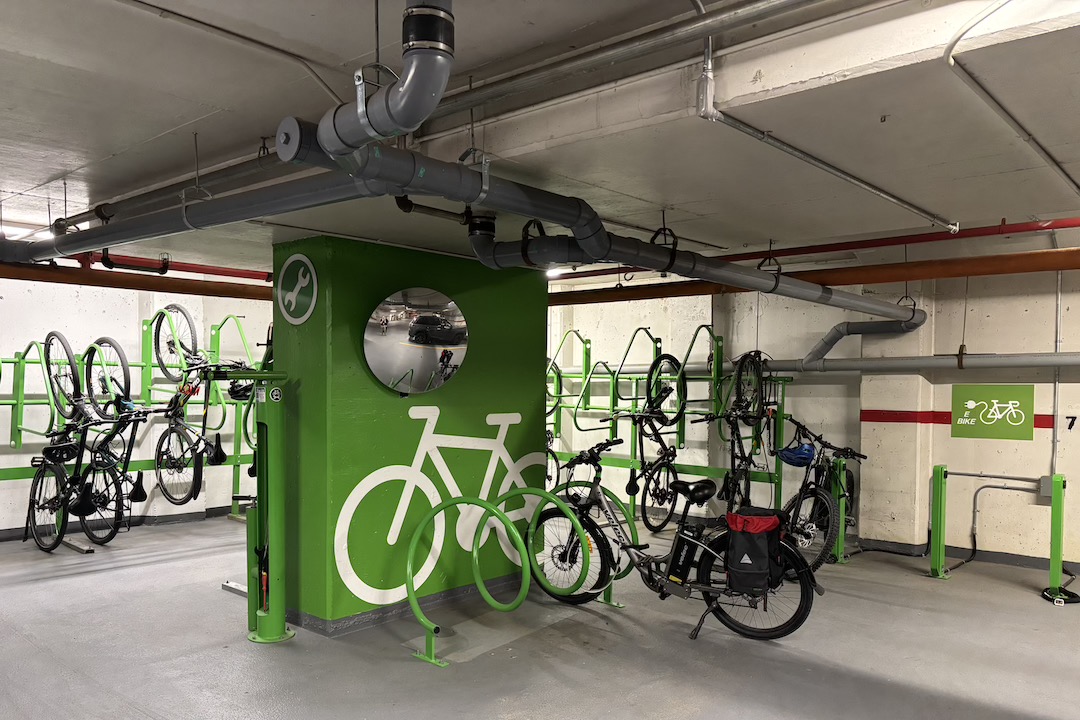
Other amenities in the building also support environmentally sustainable practices. Workers have access to secured electric vehicle charging stations and ports for electric bikes and scooters in the parkade, for example.
Watch this space next week for the conclusion of this series on ATCO Centre Edmonton, looking ahead to the future.
Edmonton's approach to infill: Where the candidates stand
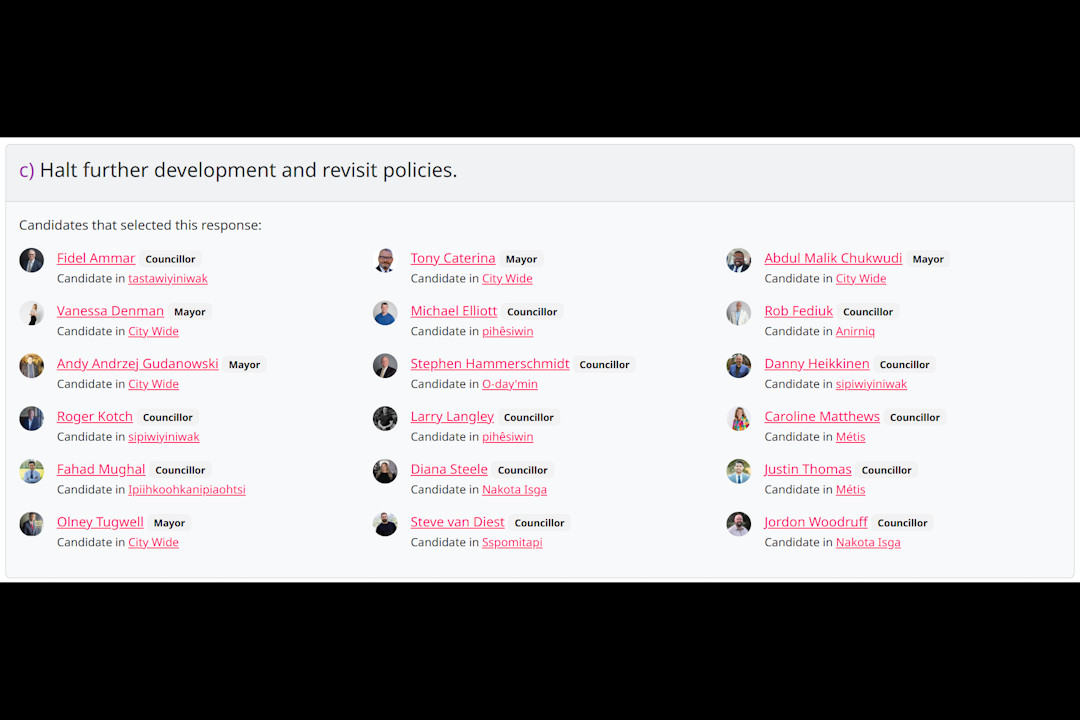
Most candidates seeking a seat on Edmonton's council in October said infill should proceed at a slower pace with stronger regulations in response to the question Which of the following comes closest to how you would guide infill development? on Taproot's candidate survey.
Infill has attracted plenty of media attention and controversy since Edmonton's new zoning bylaw came into effect in 2024, making it much easier to build larger infill developments in mature neighbourhoods.
Thirteen candidates said they would advocate for infill development to Proceed as allowed under existing rules. This group includes incumbent council candidates Anne Stevenson, Jo-Anne Wright, Erin Rutherford, and Keren Tang. But notably, no mayoral candidate chose this response.
Most candidates said they would advocate to Slow the pace with stronger regulations. Earlier this year, council voted to reduce the allowable length of a development and the number of entrances that are permitted to face a neighbouring lot, and to change the required design for the facade of infill buildings. A vote to keep the unit maximum at eight instead of reducing to six for mid-block developments squeaked by in a 6-5 vote. Among the 31 candidates who said they would like to slow the pace of infill development were mayoral candidates Rahim Jaffer, Andrew Knack, Michael Walters, Tim Cartmell, Omar Mohammad, and Utha Nadauk.
Eighteen candidates said they would advocate to Halt further development and revisit policies. This included Better Edmonton party members Michael Elliot, Stephen Hammerschmidt, and Caroline Matthews, and PACE members Fidel Ammar, Diana Steele, Justin Thomas, Steve van Diest, and Rob Fediuk.
Two mayoral hopefuls — Paul Bakhmut and Ronald Stewart Billingsley, Jr. — said they didn't have a position on the issue; tastawiyiniwak candidate Farhan Chak skipped the question.
As of this writing, 28 candidates for council and mayor have not yet completed the survey.
Housing starts in Edmonton in June 2025 were up 82% compared with 2024. Even though the city saw more infill and multi-family housing built since the new zoning bylaw was approved, the data shows that suburban sprawl with single-family homes is still the most common development pattern in Edmonton. Recent surveys among voters found that only 14% of respondents identified infill as a top concern.
Anirniq: Where the candidates stand on the Taproot Survey
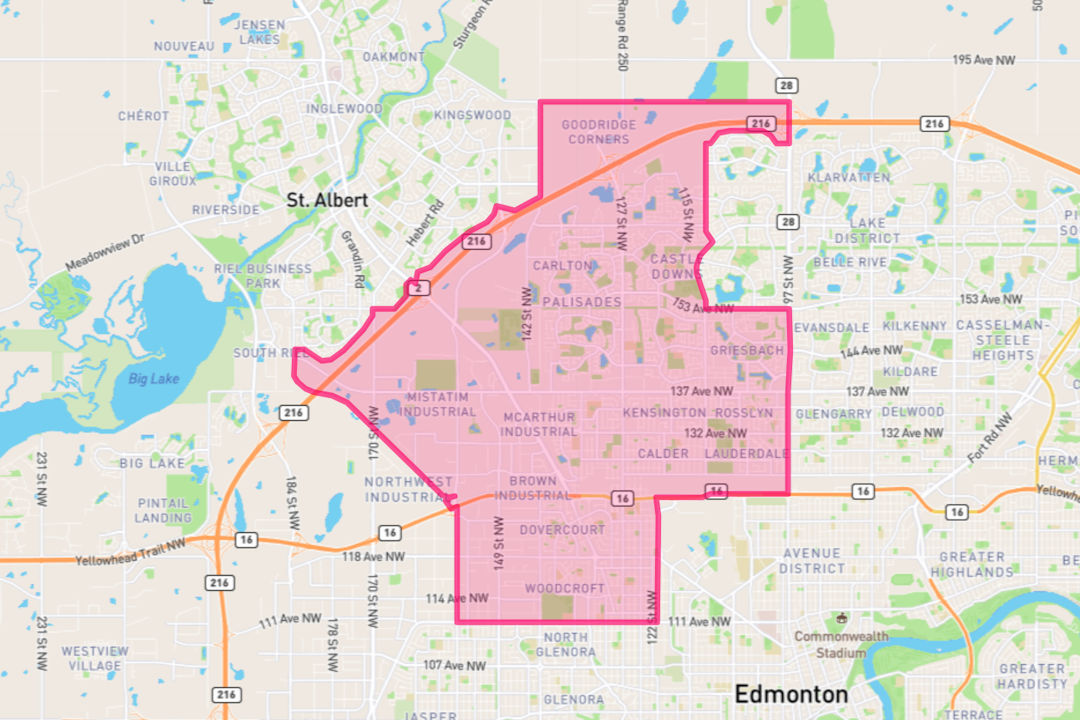
Taproot asked candidates to complete a 30-question survey covering a wide range of topics relevant to Edmonton's next city council. It was informed by the more than 900 responses to our election question, insights gathered at listening sessions, input from our election partners, and our own observations of what Edmonton's next city council will face.
Here are the answers we've received from the candidates in Ward Anirniq:
We have not yet received a response from Ali Haymour.
Want to see which candidates best align with you on the issues that matter most? Take the survey and find out.
For more coverage of the 2025 municipal election in Edmonton, visit edmonton.taproot.vote.

Happenings: Oct. 2, 2025
- Womanition Bizbrigade Leadership Conference starting at 8:30am at Edmonton Inn and Conference Centre
- Indigitization Workshop at Prince of Wales Armouries Heritage Centre (until Oct. 5)
- Inclusion in the Heartland - The Value of Difference Conference starting at 9:30am at Dow Centennial Centre
- IDEA 2025 Infill Tour starting at 10am
- Artist Panel—New Routes: threads across space and time starting at 12pm online
- Alberta Hydrogen Day starting at 1pm at Creative Hive
- Municipal Election Forums - Parkland County starting at 6pm
- Revolution Songs: A Book Launch Party starting at 7pm at 9910
- Between Us: Your Voice, Your Power: Using Self-Advocacy as a Tool for Navigating Your Health Journey starting at 7pm at Royal Alexandra Hospital (Robbins Learning Centre Lecture Theatre)
- Leonard Cohen & Joni Mitchell starting at 7:30pm at Festival Place
- LPW x CWS #29: A Prequel to LPW 41! starting at 7:30pm at Rec Room (South Common)
- Floydian Waters starting at 8pm at Yardbird Suite
And here are some upcoming events to keep in mind:
- Oct. 9: Edmonton Housing Symposium at Stantec Tower Ice District
- Oct. 9: Edmonton Mayoral Candidate Forum online
- Oct. 14-19: Edmonton Design Week
Visit the beta version of the Taproot Edmonton Calendar for many more events in the Edmonton region.

The Taproot Mini - No. 63
Test your crossword prowess and deploy a little of your Edmonton knowledge. Complete the puzzle.
This week's puzzles are themed for Canadian Finals Rodeo Week in Edmonton. Enjoy!
The Taproot Mini is brought to you by ATB, your homegrown source of good advice to help conquer life's tougher puzzles. Learn how.
